
improving healthcare outcomes
through value-based care
our story
The journey of our medical software began with a clear vision: to improve healthcare outcomes through value-based care—delivering better results for every Rand spent. As a practicing doctor, I realized there was a growing need for a digital platform that could track patient outcomes without adding the burden of complex data entry. In 2018, after exploring available options, I found that the only technologies in the market were expensive systems built for large hospital networks in the U.S., making them unsuitable for the needs of South Africa and other African countries.
Driven by a passion for improving surgical outcomes across Africa—where outcomes were almost twice as poor as in other parts of the world—we decided to create our own solution. We believed that tracking outcomes wasn’t just important, but vital for teaching, training, and ultimately, for better patient care.
Tracking outcomes wasn’t just important, but vital for teaching, training, and ultimately, for better patient care.
We want to foster a culture in surgery where outcomes are rigorously examined, lessons are learned and improvements are constantly made.
In 2018, we launched our first proof of concept for breast cancer treatment. This initial project taught us invaluable lessons, leading to the involvement of four additional investors and the expansion of our system to general surgery. Since then, we’ve partnered with more industry experts and continuously refined our platform, testing it thoroughly to ensure it meets the unique needs of healthcare in Africa.
Our goal is to shift the culture of medicine and surgery by providing transparent and reliable outcome data. Just as the aviation industry investigates every crash to improve safety, we want to foster a culture in surgery where outcomes are rigorously examined, lessons are learned, and improvements are constantly made. While every surgeon strives for the best possible outcomes, complications can arise. What matters most is how we learn from these experiences to prevent them in the future and ensure better care for patients.
our team
leadership
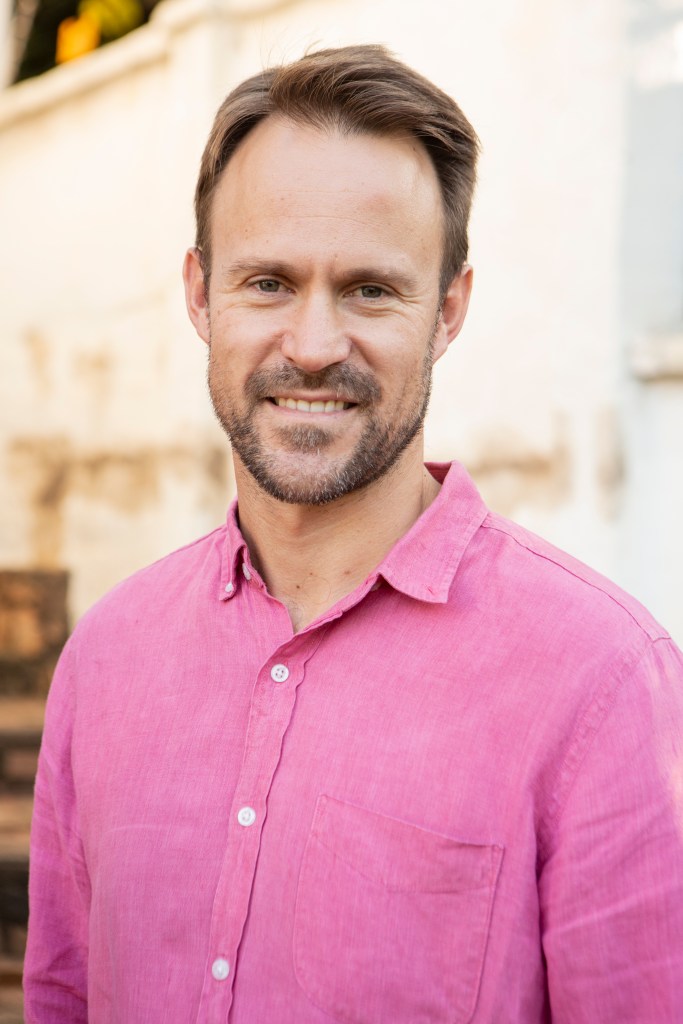
Dr. Thinus Smit
CEO, Clinical director, Co-Founder

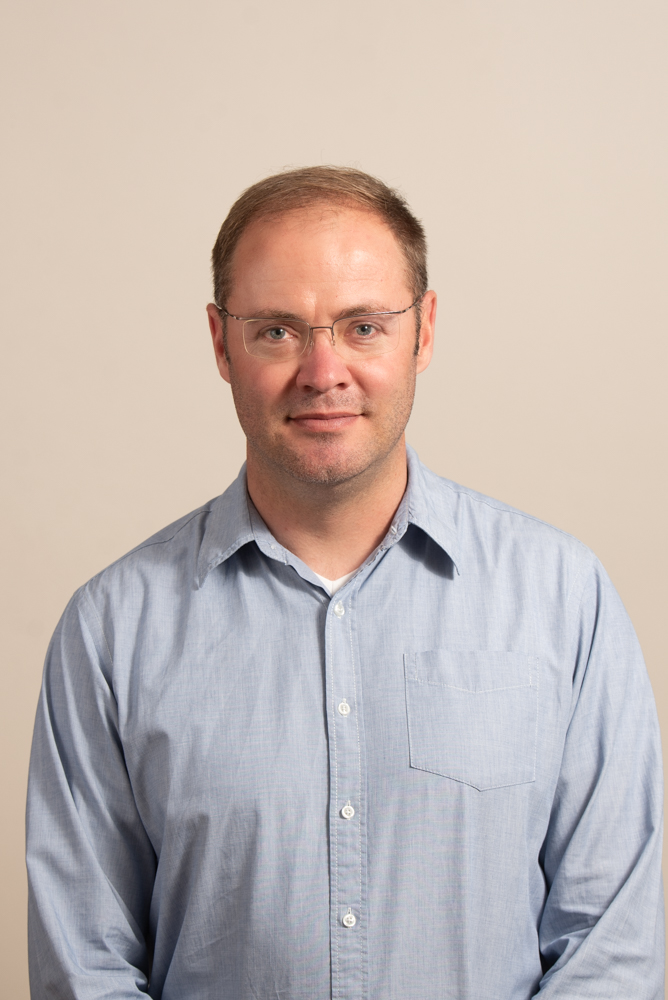
Professor Johan Breytenbach
Head of Technology, Co-Founder
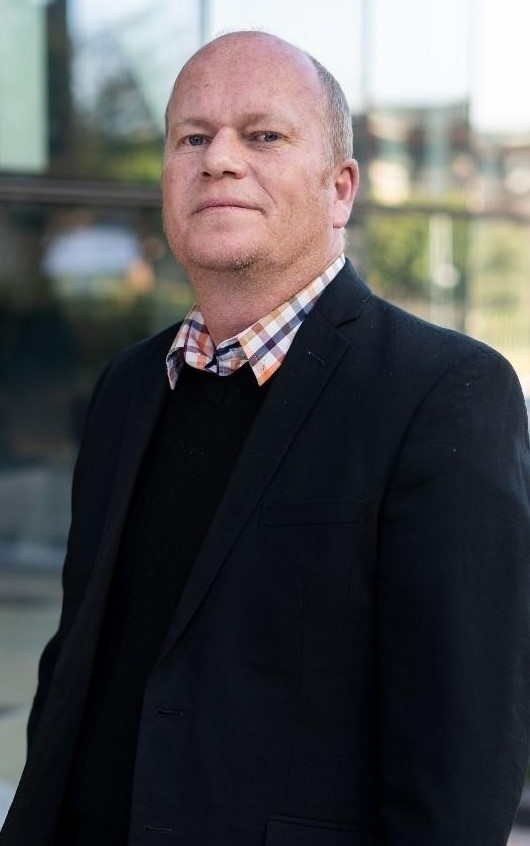
Steyn Strauss
Legal Director
 Vivenity Intelligence